


Applied Behavior Analysis (ABA) is an evidence-based approach that uses principles of learning and behavior to help children build meaningful skills.
ABA looks at what happens before and after a behavior, how a child interacts with their environment, and what teaching strategies may help them learn new skills. Treatment is individualized rather than using the same goals or methods for every child.
For a more detailed introduction to how ABA works, families can explore our Basics of ABA Therapy resource.

ABA therapy can support a variety of meaningful skills based on each child’s individual needs and goals.
ABA therapy may help children develop more effective ways to communicate needs, preferences, choices, and feelings. Depending on the child, communication may include spoken language, gestures, pictures, AAC, or other methods.
Treatment can help children practice everyday skills such as dressing, hygiene, mealtime routines, transitions, following routines, and other activities that support greater independence.
ABA can help the care team understand what may be contributing to challenging situations and teach skills that give the child more effective ways to communicate, cope, request help, or navigate changes.
When appropriate for the child’s goals, ABA may support skills related to play, cooperation, turn-taking, shared activities, and interacting with other people.
Many ABA goals focus on helping children use skills more independently in everyday situations. Progress may involve completing parts of a routine, communicating a need, making choices, or using previously learned skills with less support.
Skills learned during therapy should be useful beyond a single session. Depending on the treatment plan, children may practice skills at home, in the community, or in other appropriate settings.

Before ongoing ABA therapy begins, a Board Certified Behavior Analyst (BCBA) completes an assessment to better understand your child’s strengths, needs, communication, daily routines, and areas where support may be helpful.
The assessment may include direct observation, caregiver interviews, review of relevant records, and appropriate assessment tools.
Parents and caregivers are an important part of this process because they can provide information about the child’s routines, priorities, preferences, challenges, and goals across everyday situations.
The information gathered during the assessment helps the BCBA develop an individualized treatment plan.
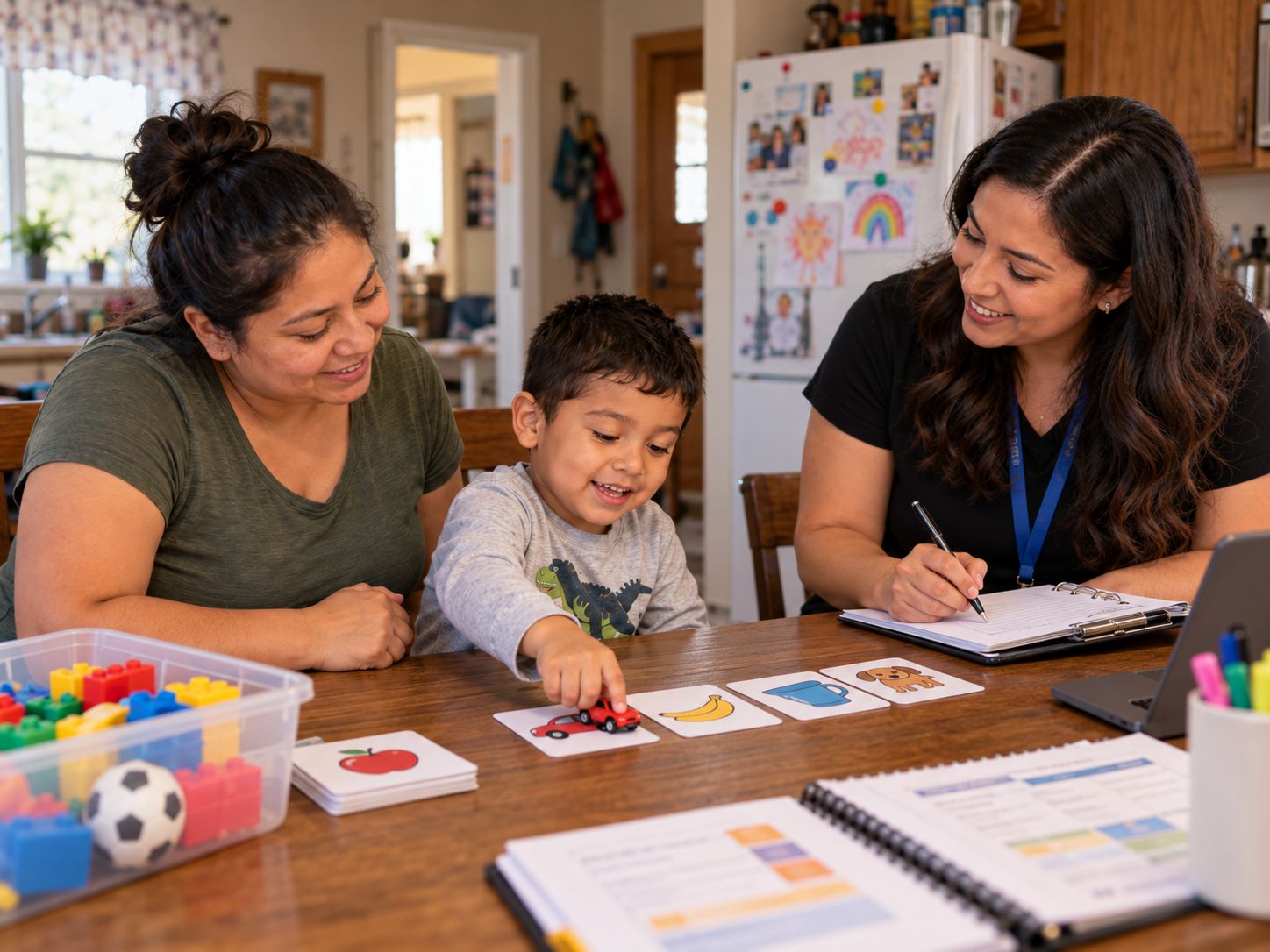
After the assessment, the BCBA develops an individualized treatment plan with long-term goals and smaller, measurable objectives.
Goals depend on the child and may focus on areas such as communication, daily living skills, emotional and behavioral regulation, social participation, safety, transitions, or independence.
When behavioral support is needed, the BCBA may also develop strategies based on understanding why the behavior is occurring and what alternative skills can be taught.
The BCBA also recommends an appropriate level of therapy based on the child’s clinical needs, goals, daily schedule, and other relevant factors.
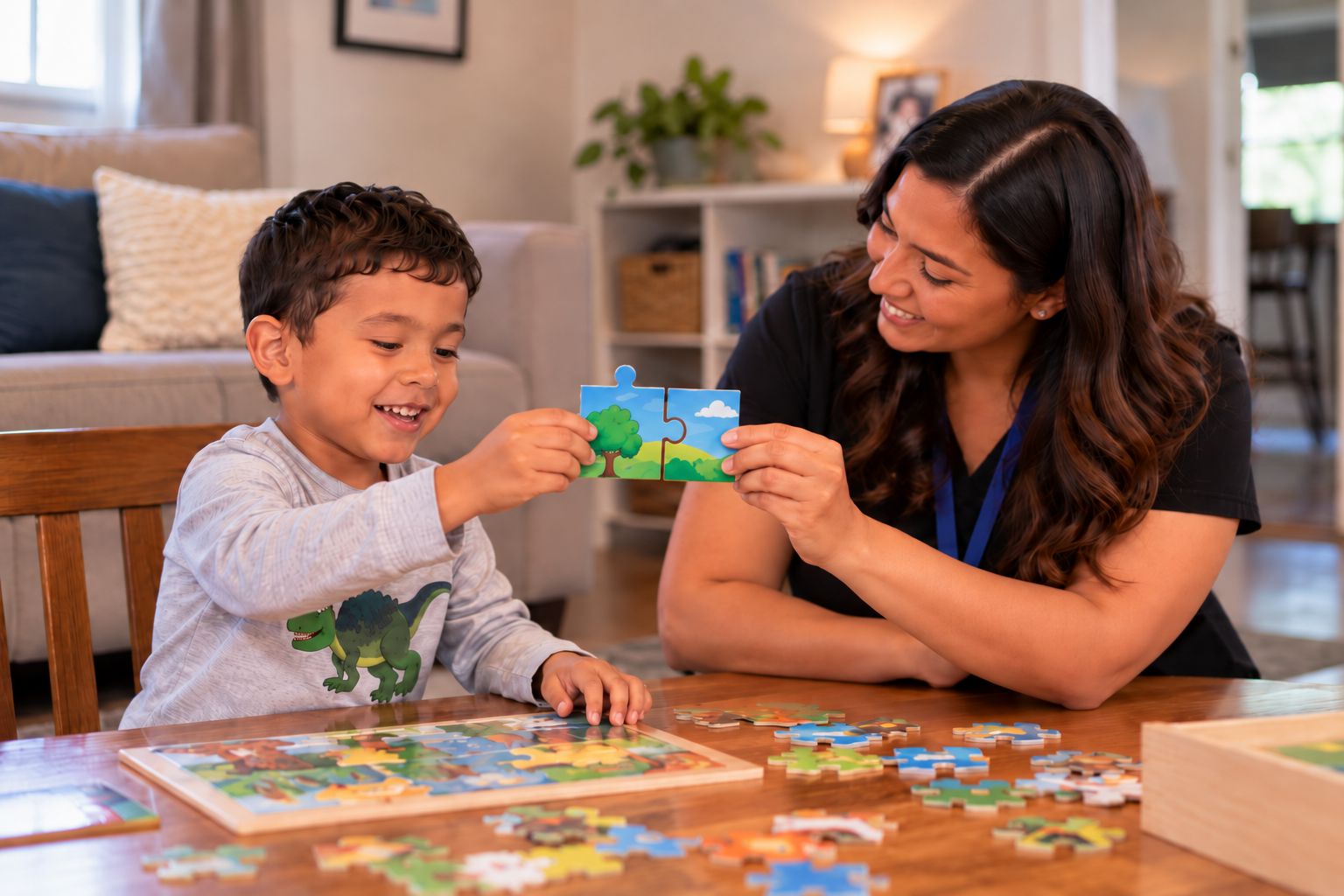
Once the appropriate assessment and authorization steps are complete, direct ABA therapy can begin.
During sessions, trained direct-care professionals work with the child on the goals identified in the treatment plan under BCBA supervision. Sessions may include structured teaching as well as play, communication opportunities, daily routines, movement, and activities within the child’s natural environment.
What a session looks like depends on the child’s age, goals, interests, and individual treatment plan.
The BCBA provides ongoing clinical supervision, reviews progress, and adjusts teaching strategies and goals when needed.
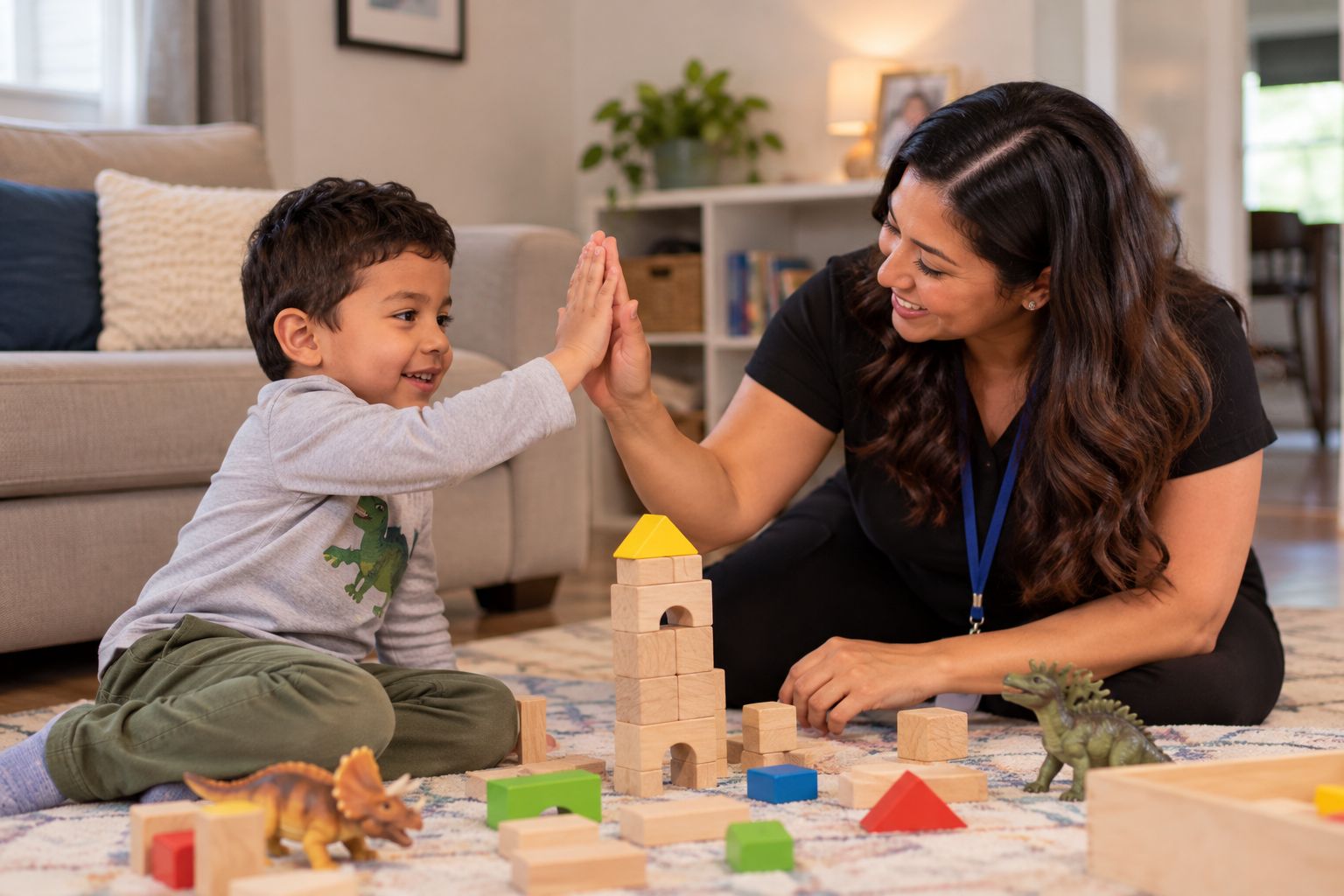
ABA therapy uses ongoing data to understand whether teaching strategies are helping the child make progress toward their individual goals.
During sessions, the care team records relevant information about the skills being practiced. The BCBA reviews this information regularly to see what is working, where additional support may be needed, and whether goals or teaching strategies should be adjusted.
Progress monitoring helps make treatment responsive to the individual child rather than relying on assumptions about what should work.
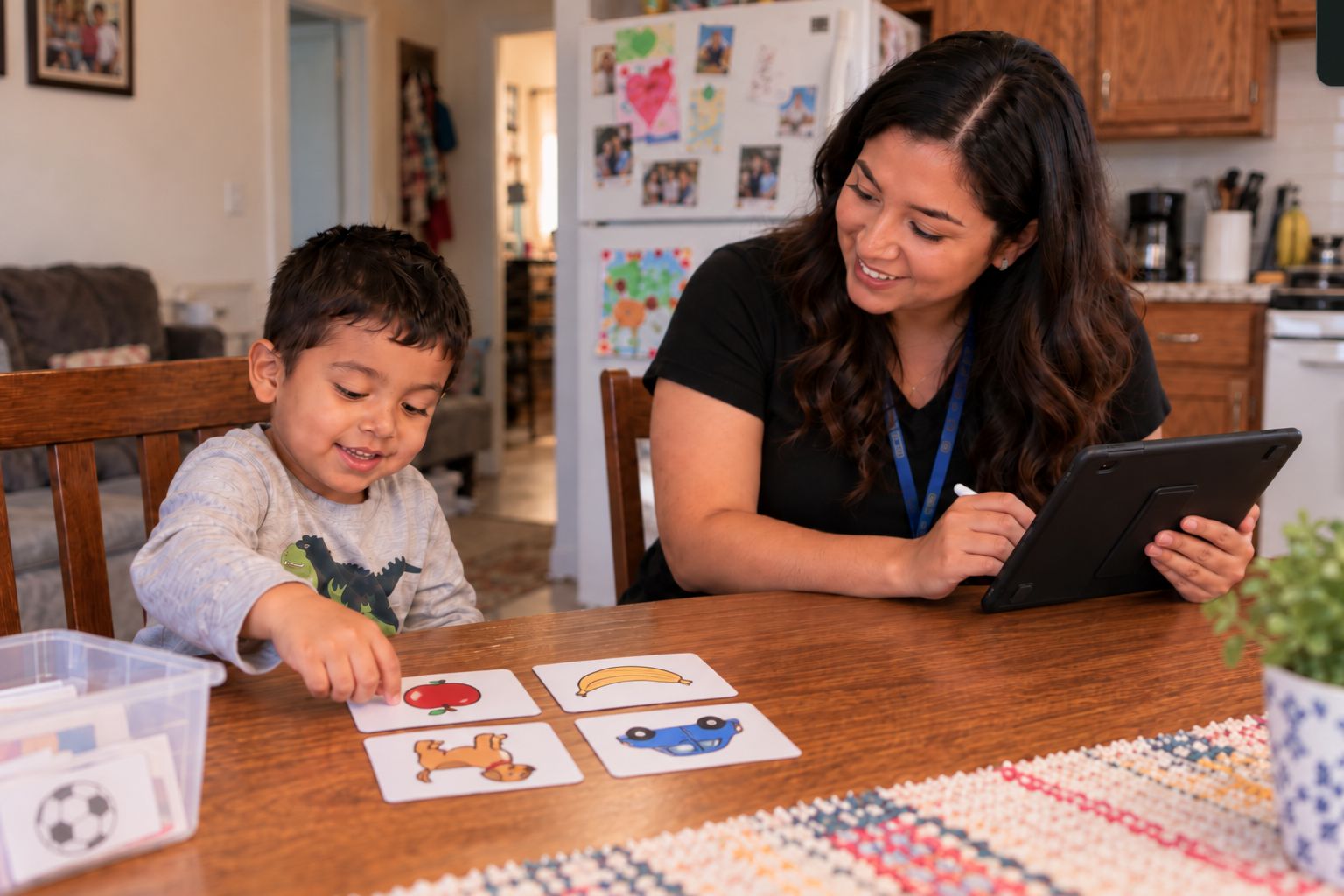
Parents and caregivers are important partners in ABA therapy.
The BCBA works with families to discuss progress, understand priorities, and share practical strategies that may help support skills during everyday routines. Depending on the child’s treatment plan, this may include communication strategies, transitions, daily living routines, reinforcement, or ways to respond consistently in challenging situations.
Family collaboration also helps children practice useful skills outside formal therapy sessions and across the environments where everyday life happens.
The frequency and focus of caregiver meetings depend on the individual treatment plan and family needs.
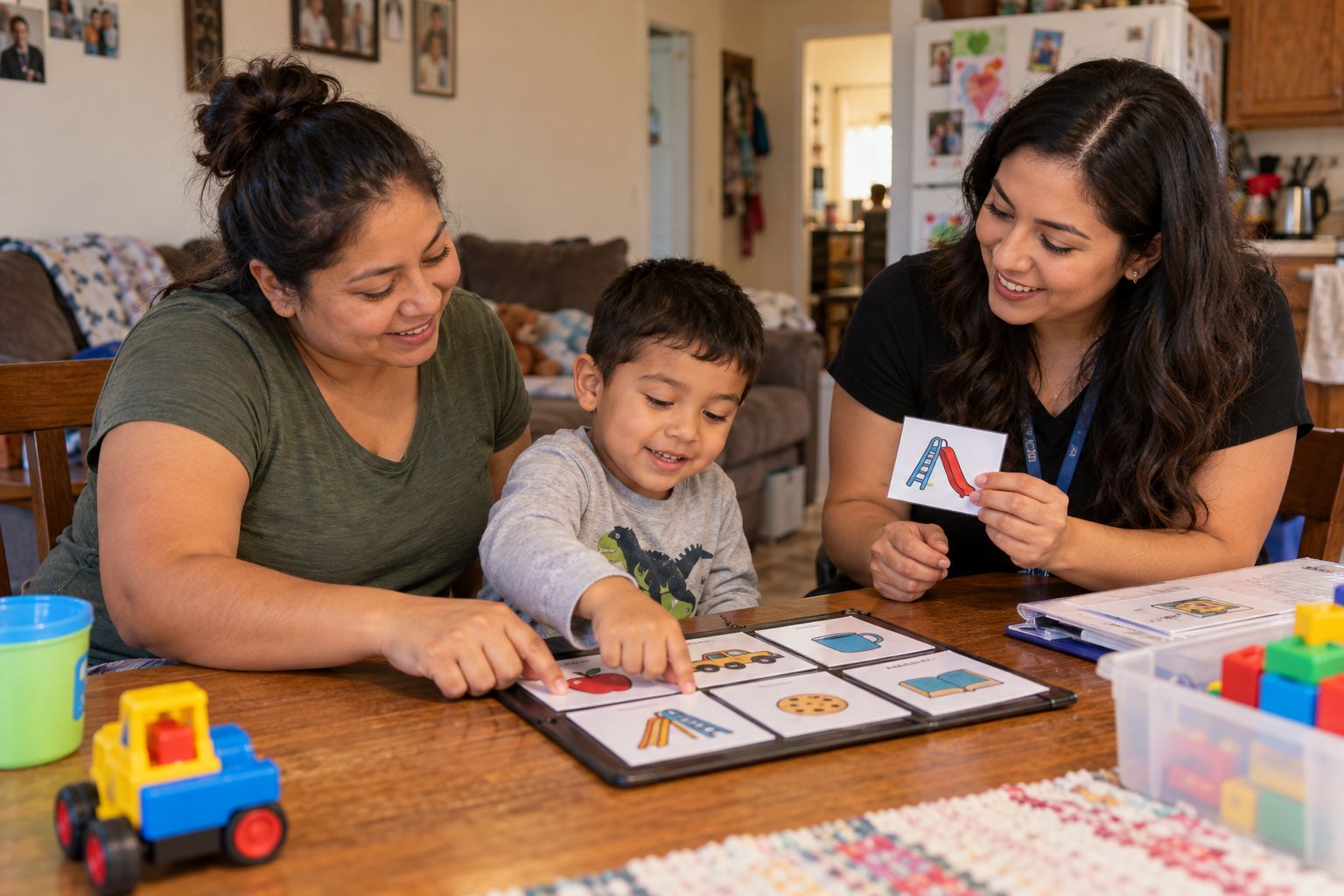
The benefits of ABA therapy will not look exactly the same for every child.
For one child, progress may involve developing a more reliable way to communicate. For another, it may mean participating more independently in a daily routine, navigating transitions, building self-care skills, or learning strategies that make everyday situations easier to manage.
What matters is that treatment goals are meaningful, individualized, regularly reviewed, and connected to the child’s needs and family priorities.
ABA360 provides individualized, BCBA-supervised ABA therapy services in New Jersey for eligible children with autism. Families can also explore our ABA therapy FAQs or browse additional parent resources to learn more about the therapy process and next steps.
Copyright ©2026 aba360.com. All rights reserved | Privacy Policy
 Table of Contents
 Download
 Share