


If possible, help your child become familiar with the school bus routine before the first day.
Visit the bus stop together, talk about where your child will wait, and review what happens when the bus arrives. Pictures or videos of the bus stop, school bus, and route may also help your child understand what to expect.
Practice important safety steps such as waiting in the designated area, approaching the bus only after it has stopped and the driver indicates it is safe, using the handrail, finding a seat, and remaining seated during the ride.
Families can also review our guide to street and outdoor safety for children with autism for additional ideas about practicing community safety skills.
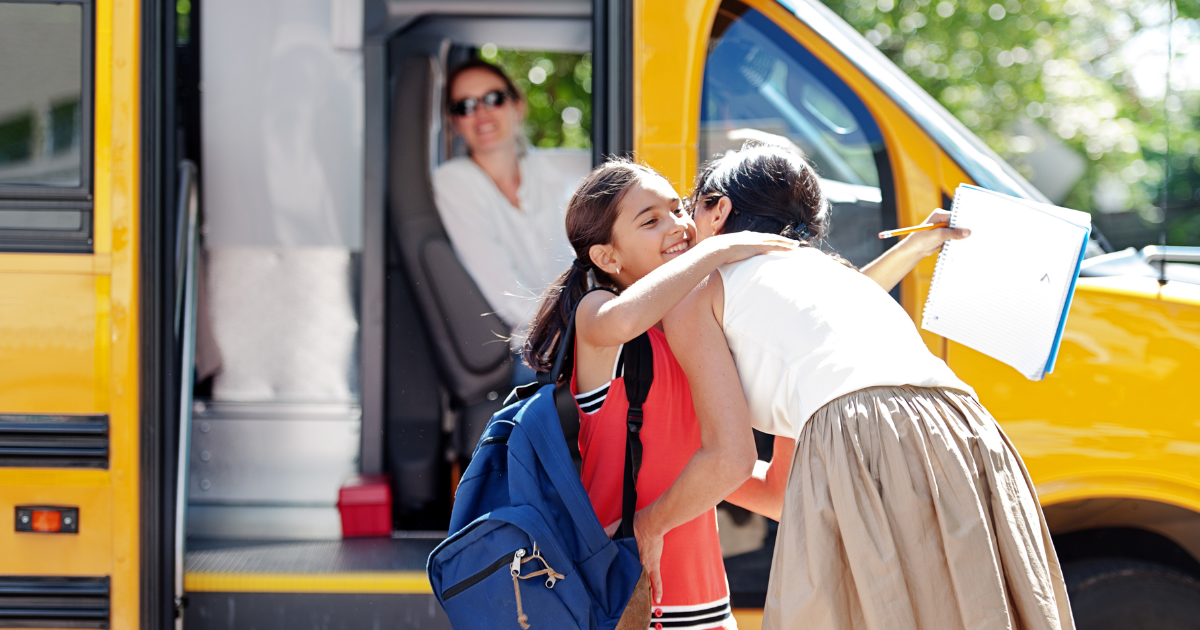
A predictable morning routine can make the transition to the school bus easier to understand.
Practice the sequence your child will follow before school, such as getting dressed, eating breakfast, gathering their backpack, putting on shoes, and walking to the bus stop.
When possible, keeping the routine relatively consistent can help your child know what comes next and provide additional opportunities to practice greater independence.

Visual supports may help some children understand the steps involved in riding the school bus.
Consider creating a simple visual schedule or checklist showing the sequence from getting ready at home to waiting at the bus stop, boarding the bus, sitting safely, arriving at school, and exiting the bus.
A social story may also help explain school bus expectations, unfamiliar situations, or changes in routine.
Keep visual supports simple and appropriate for your child’s communication and learning style. Families can explore additional ABA360 parent resources for practical ideas related to routines, transitions, communication, and everyday skills.

When appropriate, communicate with the school transportation team about information that may help support your child safely.
This may include your child’s communication needs, sensory sensitivities, safety concerns, or other relevant information. If your child requires specific transportation accommodations or additional support, discuss those needs with the appropriate school staff rather than relying only on informal arrangements with the driver.
Maintaining clear communication can also make it easier to address concerns or changes that arise during the school year.
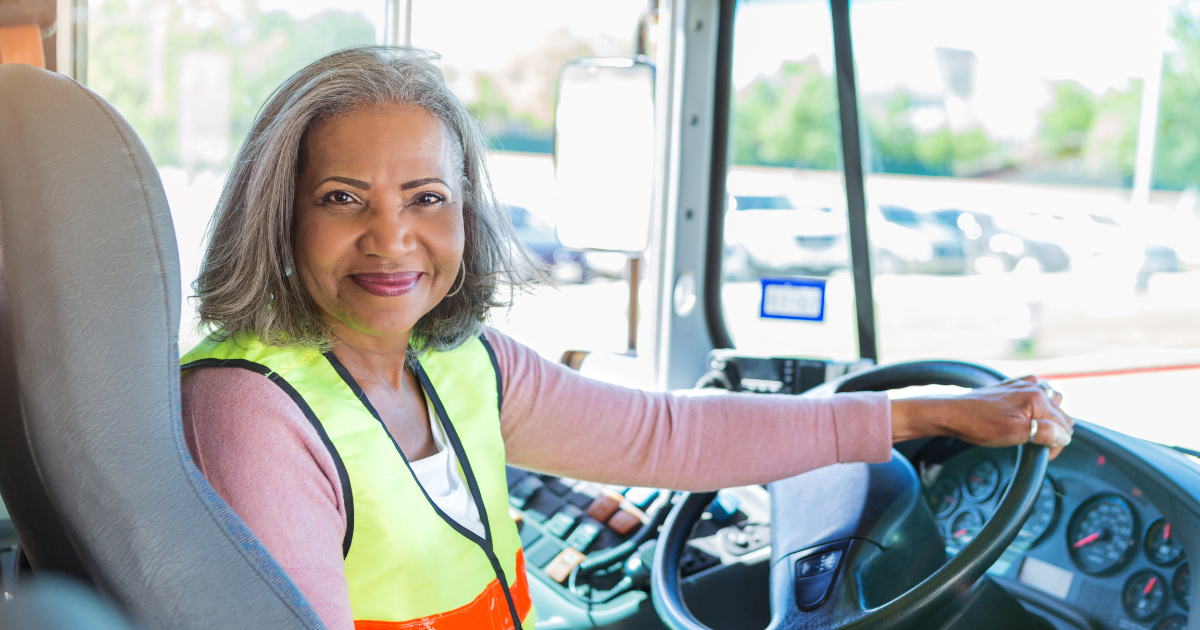
School buses can be noisy environments, and some children may find the engine, conversations, traffic, or other sounds uncomfortable.
If headphones or hearing protection help your child manage noise, consider whether they are appropriate for the bus ride and permitted under school transportation rules.
Make sure your child can still respond to important directions or safety instructions from the driver or bus aide when necessary.

Familiar items may help some children feel more comfortable during the bus ride.
Depending on school and transportation policies, a comfort kit might include a familiar object, sensory item, communication support, or another small item your child finds reassuring.
Choose items that can be used safely while your child remains seated and that will not interfere with the driver, aisle, or other passengers.

Consider which parts of the school bus experience may be difficult for your child, including noise, movement, vibration, temperature, crowds, smells, or sitting near other students.
If your child has significant sensory needs, discuss them with the school or transportation team. When accommodations are available, seating arrangements or other supports may help make the ride more manageable.
Pay attention to your child’s individual responses rather than assuming the same sensory strategies will work for every child.
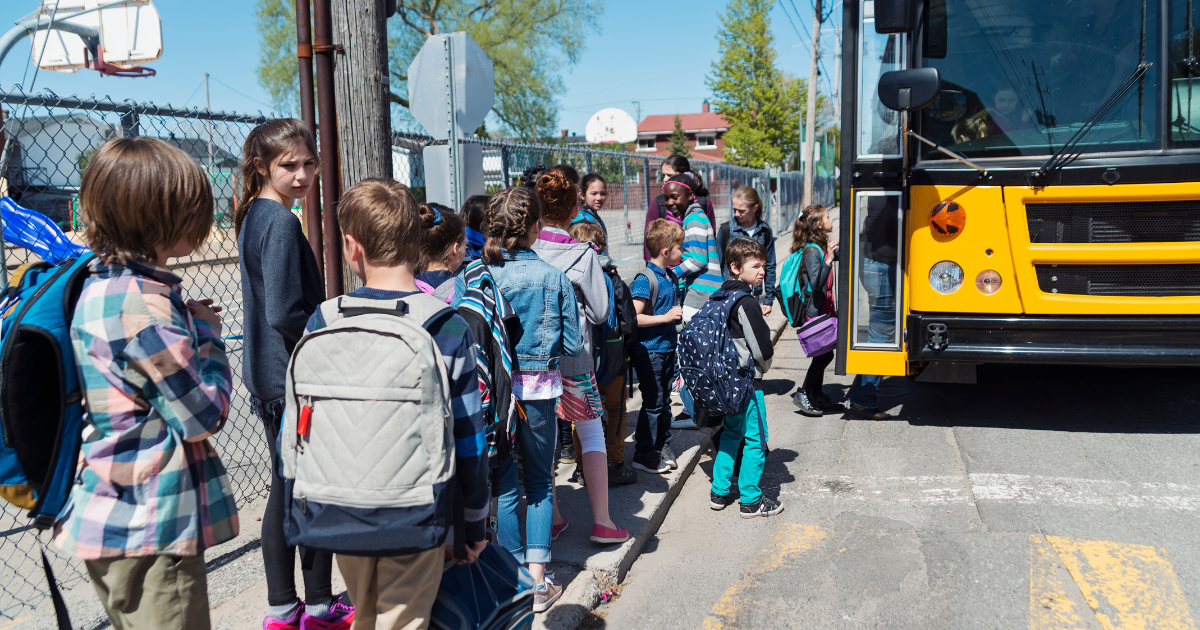
Practice school bus safety regularly and in a way your child can understand.
Teach your child to wait in the designated area away from traffic, approach the bus only after it comes to a complete stop and the driver indicates it is safe, use the handrail while boarding and exiting, and remain seated appropriately during the ride.
When crossing a road is required, children should follow the school district’s and bus driver’s crossing procedures. School bus safety guidance also emphasizes staying away from the area immediately surrounding the bus and making sure the driver can see the child before crossing.
Safety skills may also be appropriate goals to discuss with your child’s care team. ABA360 provides individualized ABA therapy services in New Jersey that can support practical skills across home, school, and community settings when appropriate.

Talk with your child about what to do if something unexpected happens during the bus ride or if they become separated from the expected routine.
Depending on your child’s abilities, this may include knowing their name, recognizing trusted school or transportation staff, carrying identification or caregiver contact information, and knowing that they should follow directions from the bus driver or another designated adult during an emergency.
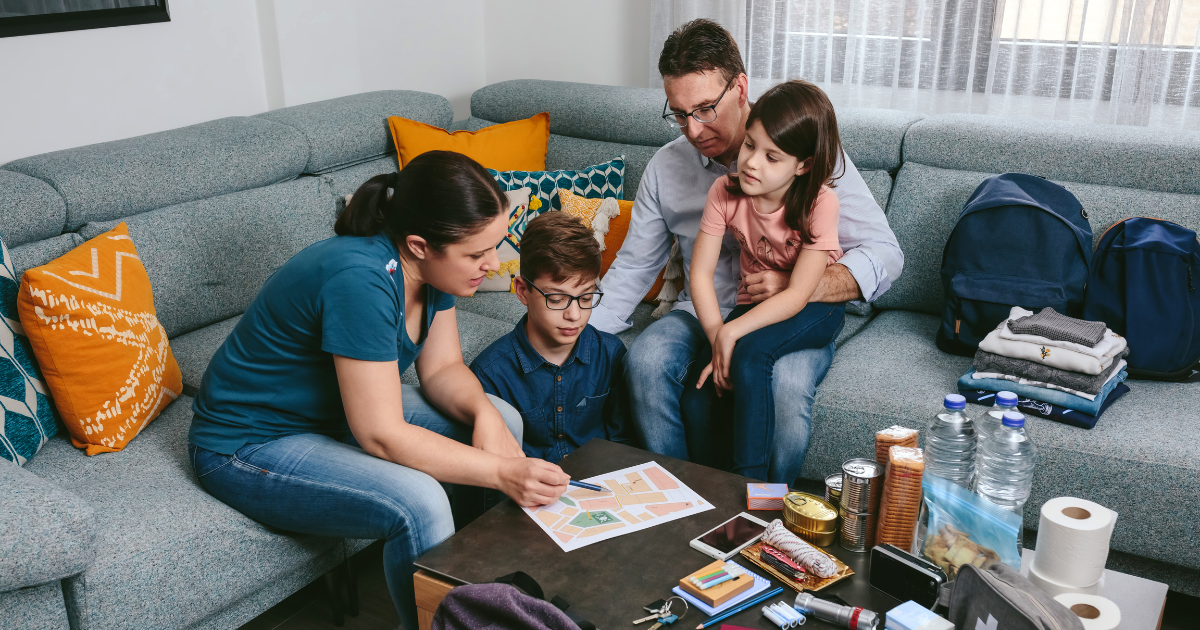
Parents should also understand the school district’s transportation and emergency procedures and make sure important contact and safety information is current.
Rather than expecting a child to independently find their way home, develop a plan that reflects their age, communication abilities, safety awareness, and individual support needs.
If your family is exploring additional support for everyday safety, transitions, communication, or independence, you can review our ABA therapy FAQs to learn more about ABA360 services and next steps.
Copyright ©2026 aba360.com. All rights reserved | Privacy Policy
 Table of Contents