

 Table of Contents
  Download as PDF
 Share
Share
Parents learning about autism may come across many assumptions about what autism looks like, how autistic children communicate, and what they may need as they grow.
Autism is a spectrum, which means every child is different. Children with autism can have different strengths, interests, communication styles, sensory preferences, and support needs. A behavior or characteristic that is common for one child may look completely different—or may not be present at all—in another. National Institute of Mental Health
Understanding common misconceptions can help families look beyond stereotypes and focus on the individual child: who they are, how they communicate, what they enjoy, and where support may be helpful.
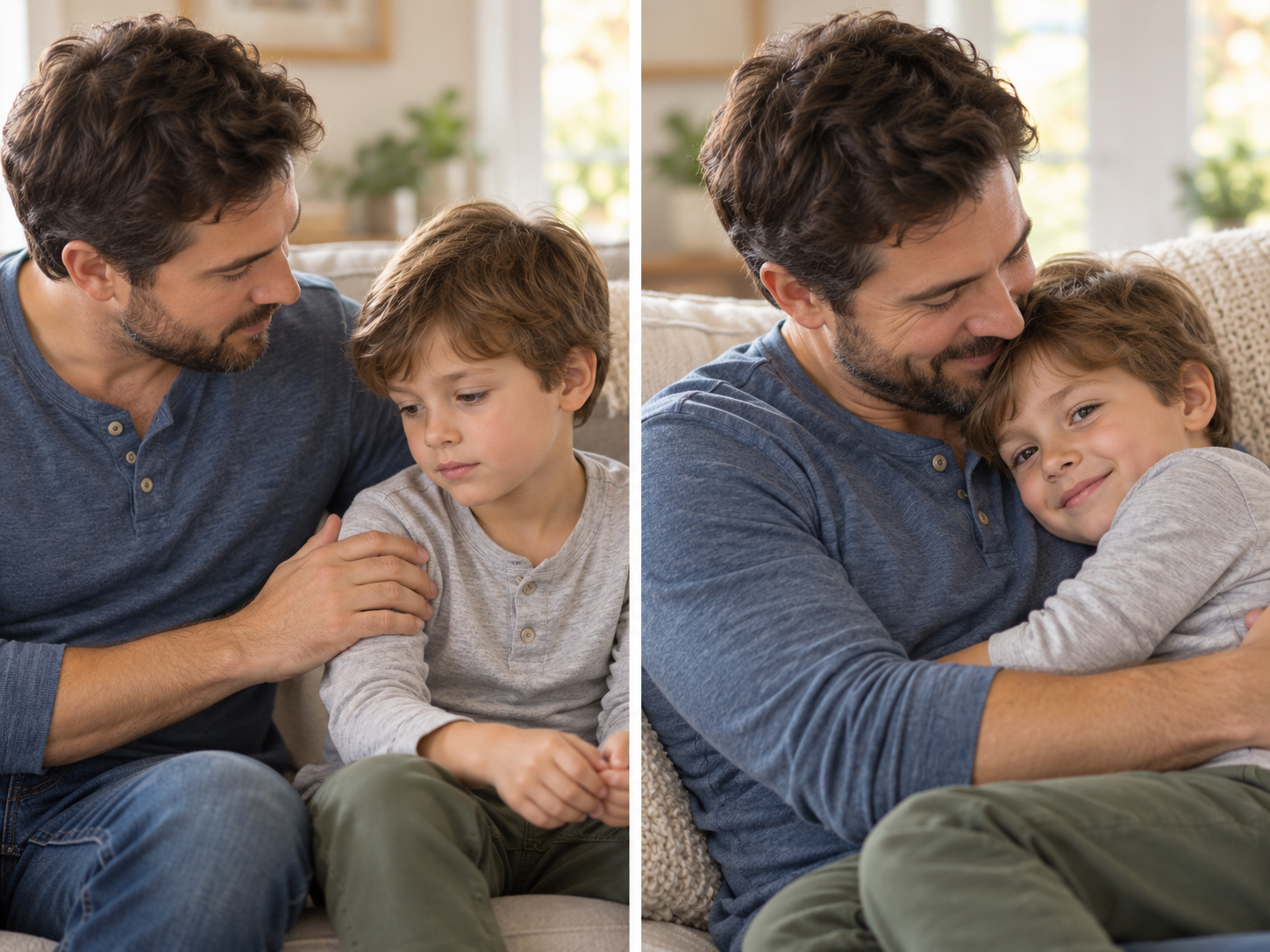
FACT: Children with autism can form strong and meaningful emotional relationships.
Affection and connection do not look the same for every person. One child may enjoy hugs and physical closeness, while another may show connection by sharing an interest, sitting nearby, bringing someone a favorite object, or seeking out a familiar person.
Differences in how a child expresses affection should not be mistaken for an inability to care about or connect with other people.
The most important thing is to learn how the individual child communicates comfort, trust, interest, and connection.
FACT: Extensive scientific research has not found a causal relationship between vaccines and autism.
The idea that vaccines cause autism became widely known after a study published in the 1990s. That study was later retracted, and subsequent large-scale research has not supported a causal link between childhood vaccines and autism. The World Health Organization’s updated 2025 evidence review reached the same conclusion. World Health Organization
Families who have questions about vaccines or their child’s health should discuss them with their pediatrician or another qualified healthcare provider.

ACT: Autism is not caused by the way a parent raises their child.
Parents do not cause autism by being too strict, too lenient, too affectionate, or not affectionate enough. Autism is a neurological and developmental condition, and research continues to study the combination of genetic and other developmental factors associated with it. National Institute of Mental Health
Parents and caregivers can, however, play an important role in helping their child understand routines, communicate needs, build skills, and access appropriate services and supports.

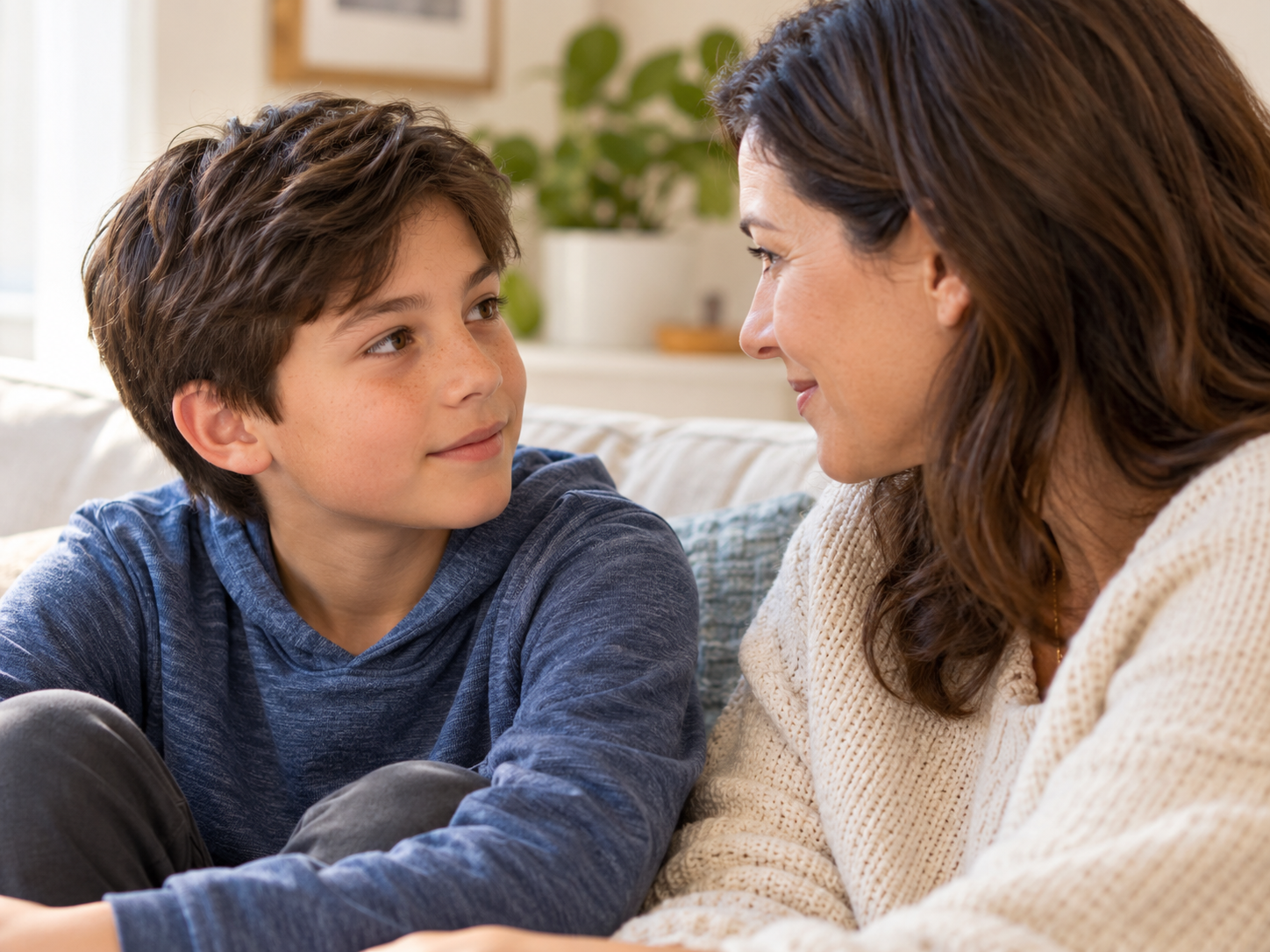
FACT: Eye contact varies widely among children and adults with autism.
Some autistic people may find direct eye contact uncomfortable or distracting. Others may make eye contact frequently, briefly, or in ways that change depending on the situation.
Eye contact is also not the only sign that someone is listening, communicating, or engaged. Children may communicate attention and interest through words, gestures, facial expressions, body language, AAC, or other forms of communication.
Current autism guidance recognizes inconsistent or limited eye contact as one possible characteristic—not something experienced by every autistic person. National Institute of Mental Health
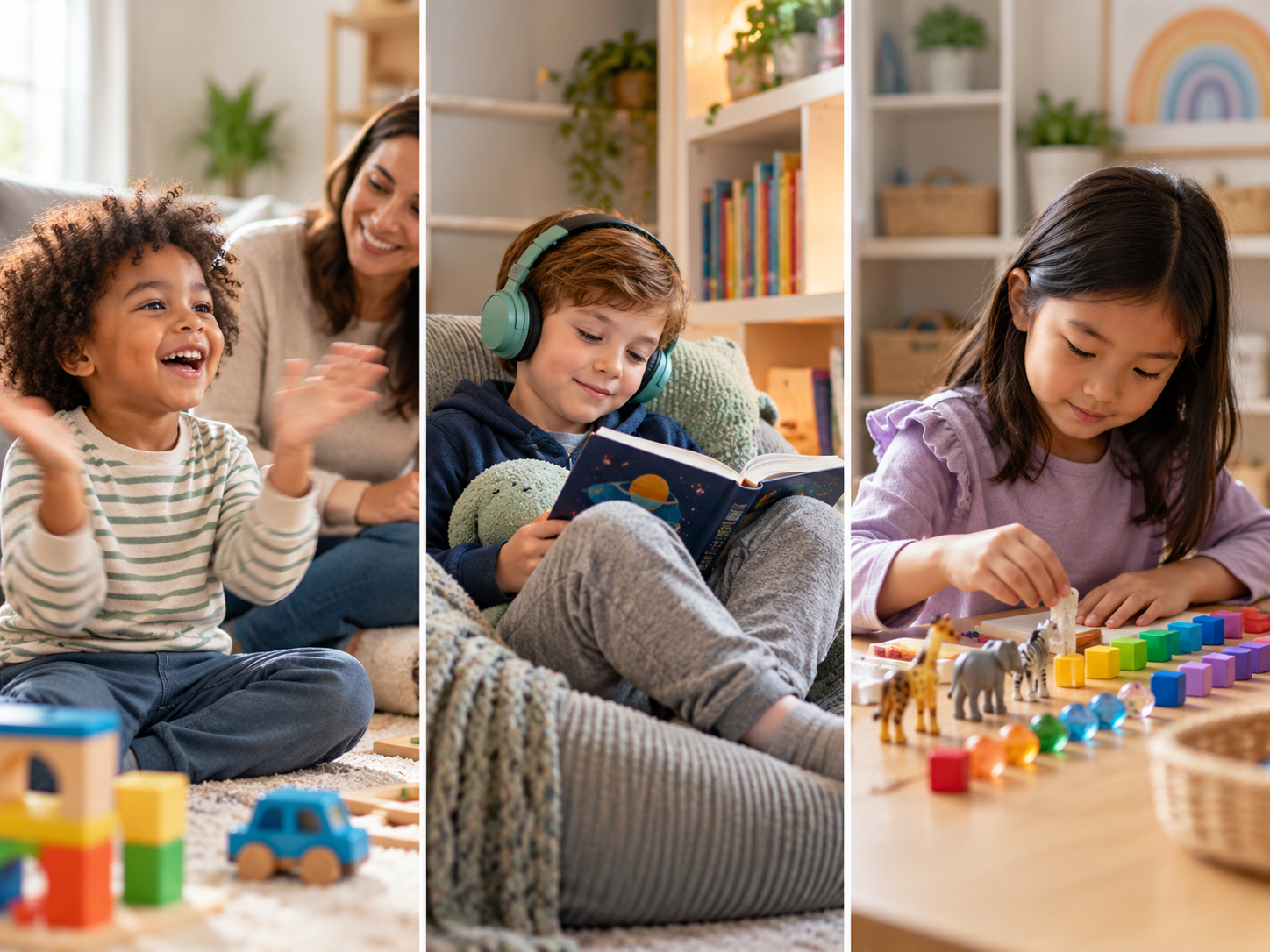
FACT: Children with autism have individual strengths and challenges, just like other children.
Popular movies and media sometimes portray autistic people as having extraordinary abilities in areas such as mathematics, memory, music, or art. While some autistic people have exceptional strengths in particular areas, this is not true for everyone.
A child may be especially interested in certain subjects, learn particularly well through visual information, remember details, enjoy patterns, or have entirely different strengths.
Rather than expecting a specific type of ability, it is more helpful to understand and build on the individual child’s interests and strengths.

FACT: Repetitive movements, routines, and interests can occur in autism, but they vary greatly from person to person.
Some children may flap their hands, rock, repeat words or phrases, arrange objects, follow particular routines, or develop strong interests. Others may show these characteristics in very different ways. CDC
These actions are sometimes called stimming and may help a child regulate sensory input, express excitement, manage stress, or feel comfortable.
Not every repetitive behavior needs to be stopped simply because it looks different. Families and care teams should consider the purpose of the behavior, the child’s well-being, and whether it creates a safety concern or significantly interferes with daily life.
FACT: Many autistic children and adults want friendships and meaningful relationships.
Social interaction may simply look different. Some children may prefer one close friend instead of a large group, enjoy connecting through shared interests, need more time to become comfortable with others, or prefer shorter periods of social interaction.
Difficulty interpreting social cues or navigating conversations does not mean a child has no interest in connection.
Support should focus on helping children communicate and participate in relationships in ways that are meaningful and comfortable for them.
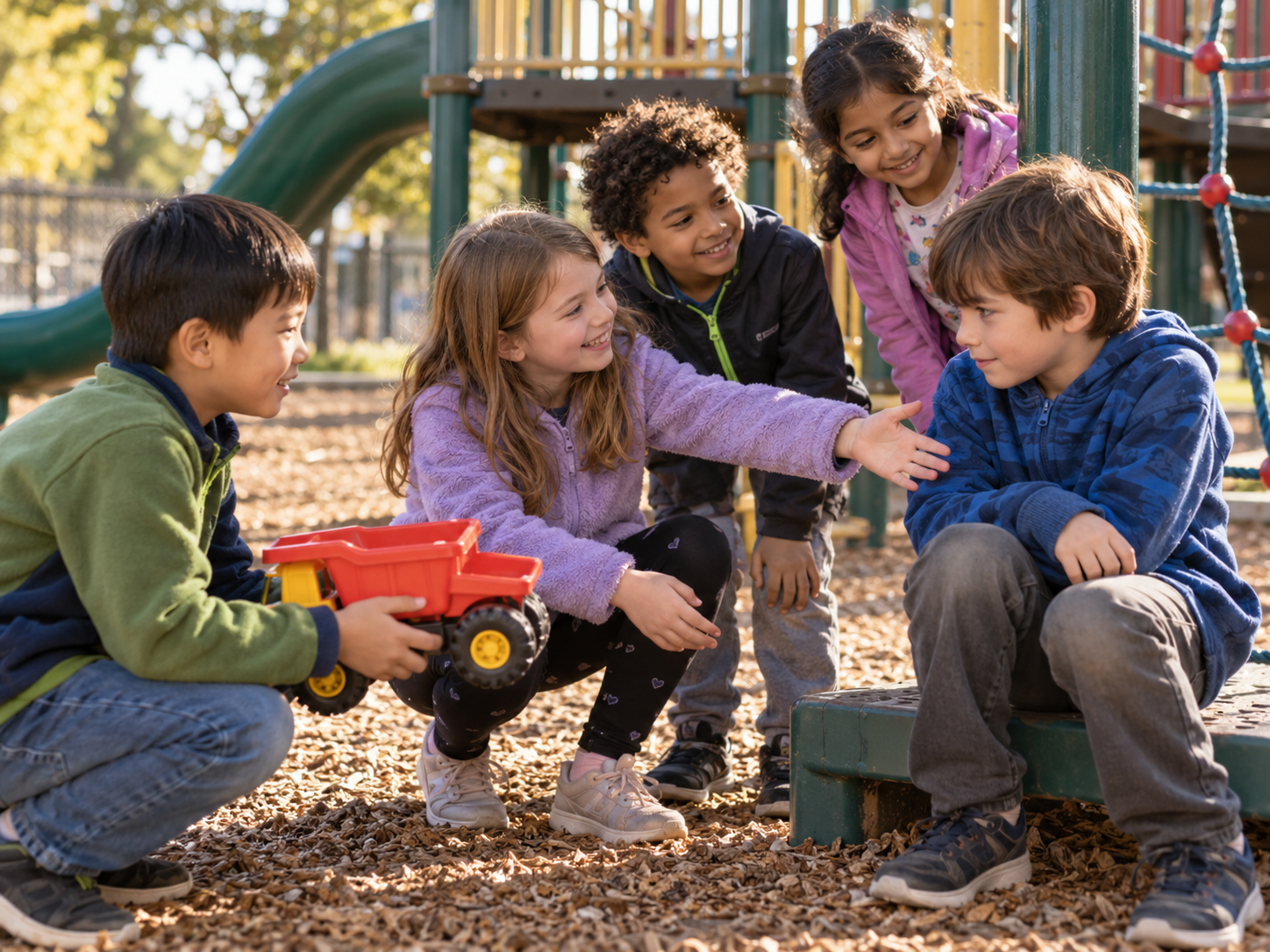
FACT: Children with autism communicate in many different ways, and communication development varies considerably from child to child.
Some children develop spoken language, while others may use gestures, pictures, sign language, communication devices, or other forms of augmentative and alternative communication (AAC).
Speech is only one form of communication.
The goal should be to help each child develop reliable and meaningful ways to express needs, preferences, thoughts, and feelings—not to assume that communication must look the same for every child. Autism guidance recognizes wide variation in language and communication abilities. National Institute of Mental Health

here is no single way that autism looks.
Two children with the same diagnosis may communicate differently, enjoy different activities, respond differently to sensory experiences, and need very different types or levels of support.
For parents, one of the most useful things we can do is move beyond stereotypes and focus on the individual child—their strengths, preferences, communication style, daily needs, and goals.
If your child has received an autism diagnosis and you are exploring support, ABA360 provides individualized, BCBA-supervised ABA therapy services in New Jersey for eligible children and families. Our treatment plans are developed around each child’s individual needs and goals, with parent and caregiver collaboration as an important part of the process.
You can also explore our ABA therapy FAQs, read our 6 Common Misconceptions About ABA Therapy, or browse additional parent resources.
Copyright ©2026 aba360.com. All rights reserved | Privacy Policy